Get Conduit Installation
Conduit installation services help property owners safely run electrical, data, or communication cables through walls, floors, or underground for various construction or renovation projects.
Property owners considering conduit installation often have practical reasons for exploring their options. Whether upgrading existing electrical systems, planning new construction projects, or improving safety and organization within a property, having reliable conduit systems in place is an important step. Local contractors can provide the expertise needed to assess specific project requirements and recommend suitable solutions, ensuring that the work aligns with the property’s needs and regulations.
For those looking to compare options and find the right service provider, understanding the scope of conduit installation services available in the area can be helpful. By reviewing local contractors, property owners can evaluate different approaches and select experienced professionals who can handle the job efficiently. Continuing to explore your options may lead to finding the right fit for your project’s unique demands.
- Conduit Installation - when upgrading or replacing electrical wiring to ensure proper power distribution.
- New Construction Projects - for connecting electrical systems in newly built residential or commercial buildings.
- Electrical System Renovations - during remodeling or renovation projects that require updated conduit pathways.
- Commercial Electrical Work - when establishing or expanding electrical infrastructure for business facilities.
- Emergency Repairs - in cases where damaged or compromised conduits need swift replacement or repair.
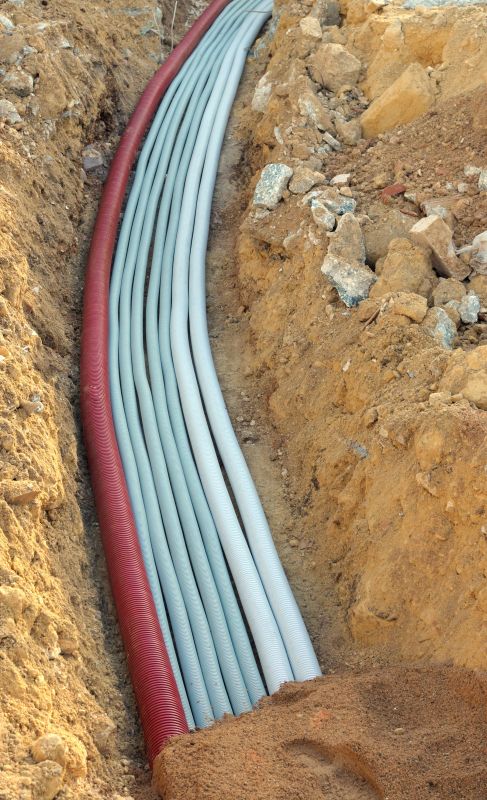
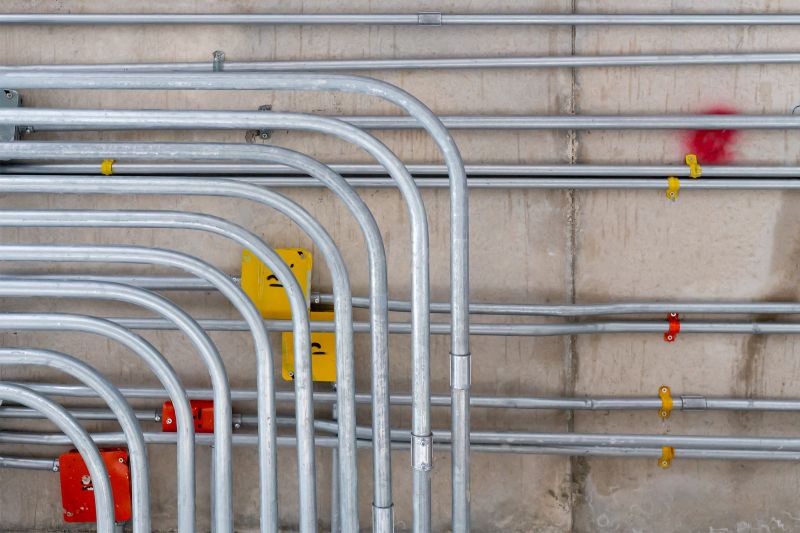
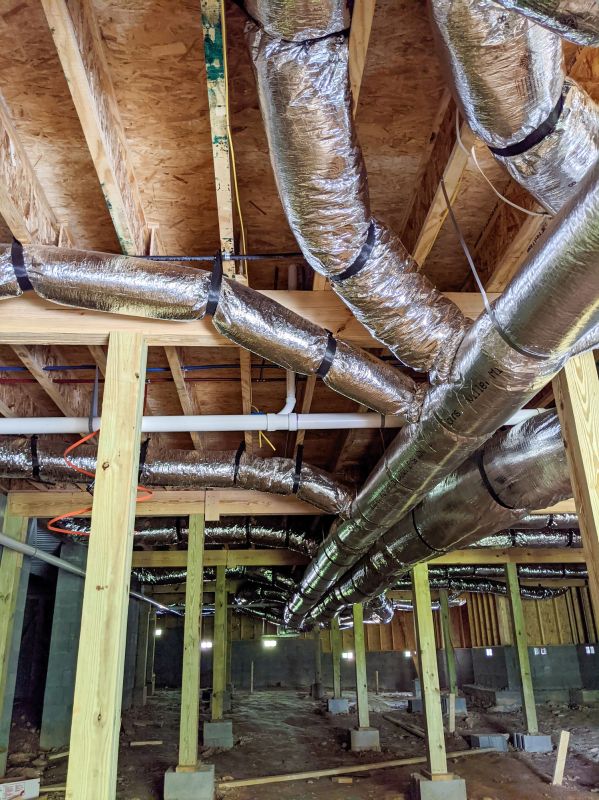
Conduit installation services involve setting up the necessary piping and pathways that carry electrical wiring, water, or other utilities throughout a property. This process ensures that all systems are properly routed, protected, and organized within the building structure. Skilled contractors typically handle conduit installation to ensure that the infrastructure supports safe and reliable operation of essential utilities, whether in new construction projects or during renovations.
This service helps address common problems such as outdated or damaged conduits that can lead to electrical failures, water leaks, or safety hazards. Proper conduit installation can prevent issues like exposed wiring, leaks, or inefficient system performance. It also provides a neat and organized way to manage utility lines, making future repairs or upgrades easier to perform and reducing the risk of accidental damage or system malfunctions.
Conduit installation is often needed in various types of properties, including residential homes, multi-family complexes, commercial buildings, and industrial facilities. Homes undergoing renovations or expansions may require new conduit pathways to accommodate additional wiring or plumbing. New construction projects frequently include conduit installation as part of the initial build to ensure all utility systems are properly integrated from the start.
Homeowners might consider conduit installation if they experience issues such as frequent electrical outages, water leaks, or if they are planning to add new appliances or fixtures that require additional wiring or plumbing. It’s also a practical solution when upgrading an older property with outdated infrastructure or when installing new systems that need protection from environmental damage. Connecting with experienced local contractors can help determine if conduit installation is the right step for maintaining safety and functionality in a property.
The overview below groups typical Conduit Installation projects into broad ranges so you can see how smaller, mid-sized, and larger jobs often compare in your area.
In many markets, a large share of routine jobs stays in the lower and middle ranges, while only a smaller percentage of projects moves into the highest bands when the work is more complex or site conditions are harder than average.
Smaller Repairs - Typical costs for minor conduit repairs or replacements usually fall between $250 and $600. Many routine jobs in this range are straightforward and common for local contractors. Larger or more complex repairs can sometimes exceed this range but are less frequent.
Partial Replacement - Replacing sections of conduit or upgrading existing systems generally costs between $600 and $2,000. Most projects in this category stay within this band, with fewer reaching higher amounts due to added complexity or size.
Full System Replacement - Complete conduit system replacements often range from $2,500 to $5,000 or more. Larger, more intricate installations can push costs beyond this, but many projects fall into the middle of this spectrum.
Large-Scale Installations - Extensive conduit installation for commercial or multi-unit properties can start at $5,000 and go well above $10,000. These projects are less common and typically involve complex planning and extensive labor, leading to higher costs.
Actual totals will depend on details like access to the work area, the scope of the project, and the materials selected, so use these as general starting points rather than exact figures.
Electrical Wiring Projects - These projects involve planning and installing electrical pathways, requiring similar conduit planning and routing skills as conduit installation services.
Data and Communication Cable Runs - Installing structured cabling systems for data and communication networks involves conduit planning and precise installation techniques akin to conduit setup.
Lighting Fixture Installation - Properly installing lighting fixtures often requires routing wiring through conduits, making it comparable to conduit installation work.
Security System Wiring - Running wiring for security cameras and alarm systems involves planning and installing conduits to protect and conceal cables.
Fiber Optic Cable Installation - Installing fiber optic cables requires careful conduit planning and routing to ensure optimal performance and protection.
Electrical Panel Upgrades - Upgrading electrical panels often involves rerouting and installing conduit to accommodate new wiring configurations.
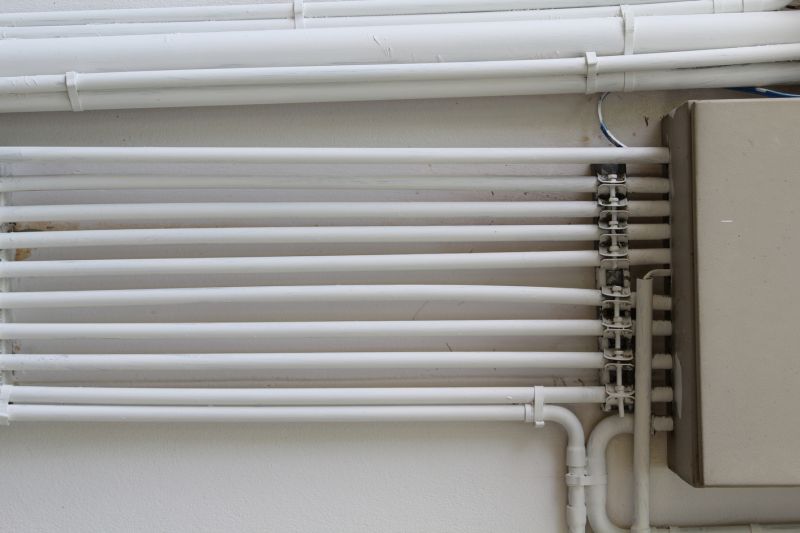
When comparing service providers for conduit installation, it’s important to consider their experience with similar projects. Homeowners should inquire about how long a contractor has been working in the field and whether they have handled conduit installations comparable in scope and complexity. An experienced contractor is more likely to understand the nuances of the work, anticipate potential challenges, and deliver results that meet expectations. Reviewing the types of projects they have completed can help determine if their background aligns with the specific needs of the home.
Clear, written expectations are vital when selecting a local contractor for conduit installation. Pros who provide detailed estimates and scope of work help ensure there are no surprises later on. Homeowners should look for service providers willing to outline what is included in their service, specify materials and methods used, and clarify any assumptions or exclusions. Having this information in writing facilitates transparent communication and serves as a reference point throughout the project, reducing misunderstandings and fostering trust.
Reputable references and effective communication are key factors in choosing the right local contractor. Homeowners are encouraged to ask for references from past clients who had similar projects completed, providing insight into the quality of work and professionalism. Additionally, service providers who are responsive, clear, and easy to communicate with tend to foster smoother project experiences. Good communication helps ensure that expectations are aligned from the outset and that any questions or concerns can be addressed promptly, contributing to a successful conduit installation process.
Property owners use Conduit Installation services for practical projects around their homes and businesses. This guide focuses on everyday jobs and straightforward project options.
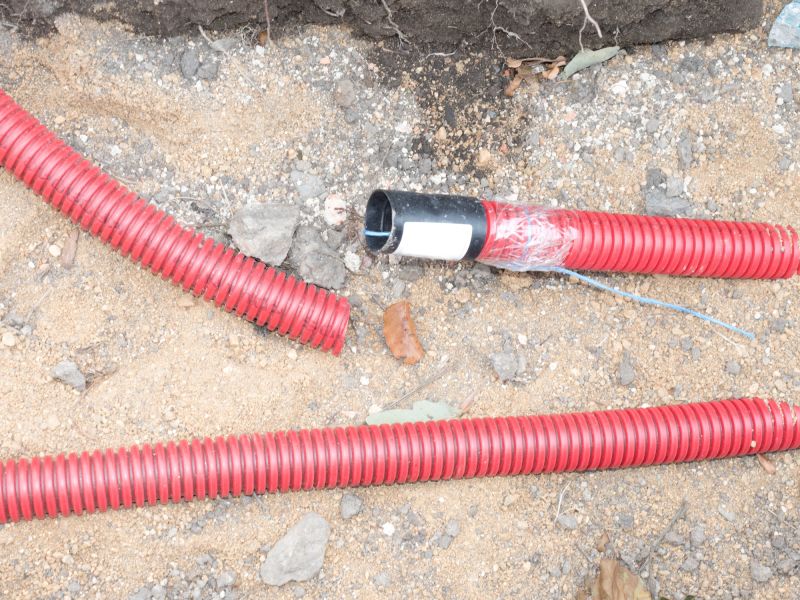
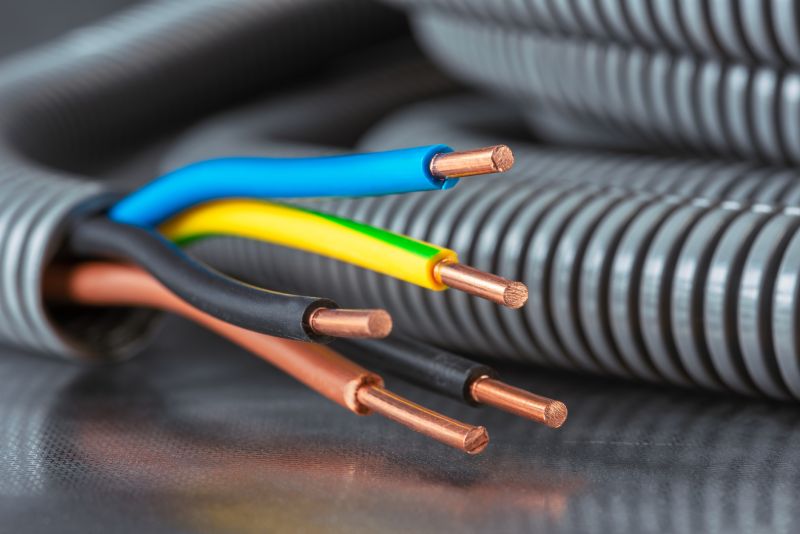
Conduit installation services are often needed when property owners are upgrading their electrical systems, renovating existing spaces, or installing new appliances that require a safe and reliable pathway for wiring. Local contractors can assist with running conduits through walls, basements, or attics, ensuring that electrical components are properly protected and meet standard requirements. Whether dealing with a home improvement project or addressing unforeseen wiring issues, property owners look for experienced service providers who can handle conduit work efficiently and safely.
Many property owners seek conduit installation services to improve the safety and functionality of their electrical systems. This might include replacing outdated wiring, adding new circuits, or preparing a property for future electrical upgrades. Local service providers are equipped to manage these tasks, providing professional installation that helps prevent potential hazards and supports the ongoing safety of the property. Connecting with qualified contractors can make it easier to address these everyday electrical needs effectively.
What is conduit installation? Conduit installation involves setting up protective tubing for electrical wiring to ensure safe and organized electrical systems.
Why should I hire local contractors for conduit installation? Local contractors are familiar with regional codes and can provide tailored solutions for conduit installation needs.
What types of conduits are available for installation? Common types include PVC, metal, and flexible conduits, each suited for different applications and environments.
How do I know if conduit installation is necessary for my property? A professional service provider can assess your electrical system and recommend if conduit installation is appropriate.
What factors influence the complexity of conduit installation projects? Factors include the property size, wiring requirements, conduit type, and existing infrastructure conditions.
Conduit Installation for New Construction - Property owners building a new home can have local contractors install electrical conduits to ensure safe and organized wiring throughout the property.
Upgrading Existing Electrical Systems - Homeowners planning to update or expand their electrical systems may need conduit installation to accommodate additional wiring or meet safety standards.
Protecting Underground Wiring - Property owners installing outdoor lighting or irrigation systems can use conduit services to safeguard underground cables from damage.
Retrofitting for Modern Electrical Needs - Those renovating older properties might utilize conduit installation to facilitate the integration of modern electrical appliances and devices.
If you are thinking about Conduit Installation for a property, this guide is meant to help you understand the work, the typical project types, and how different options might fit your plans.
When you are ready, you can use the quote form on this page to share a few details about your project. From there, local pros can review the basics and respond with options that match what you have in mind.